Payments · Australia wide
Compare EFTPOS Machine Fees & Merchant Rates in Australia
Send us a recent merchant statement and we will help you read it, work out what you are actually paying per transaction, and outline the EFTPOS options available for a business like yours.
Most enquiries receive a response within 3 hours during business hours.
Straight answer
What does an EFTPOS machine actually cost in Australia?
There is no single EFTPOS rate. Your cost is a merchant service fee on each card sale, plus any terminal rental, fixed per-transaction fee and minimum monthly charge. Two businesses on the same headline rate can pay very different amounts once average sale value and card mix are counted, which is why a comparison should be run against your own merchant statement.
ATMcash works with Australian venues on cash access, and merchants regularly ask us the same question about the card side: am I paying too much? We review your statement, show what you are really paying per transaction, and lay out the options available — with no obligation to change anything.
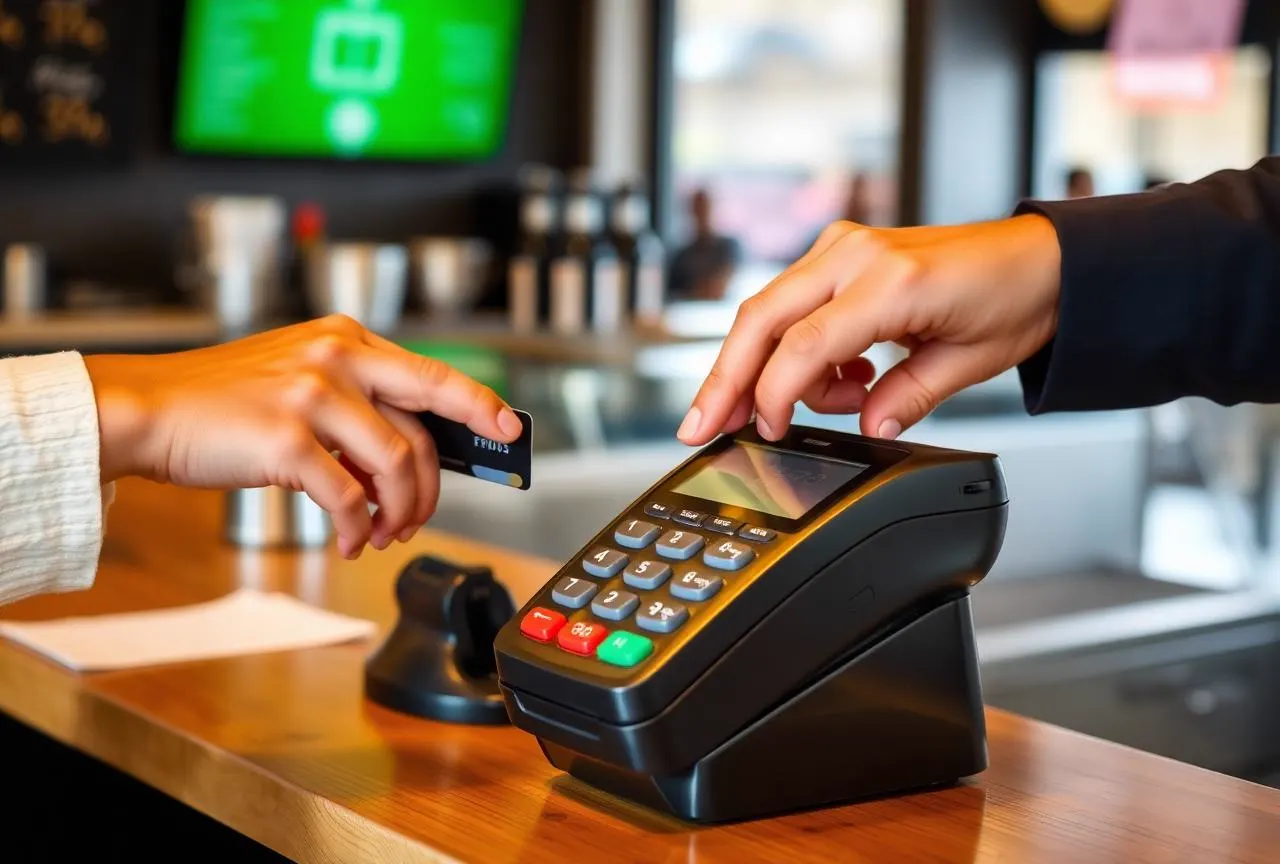
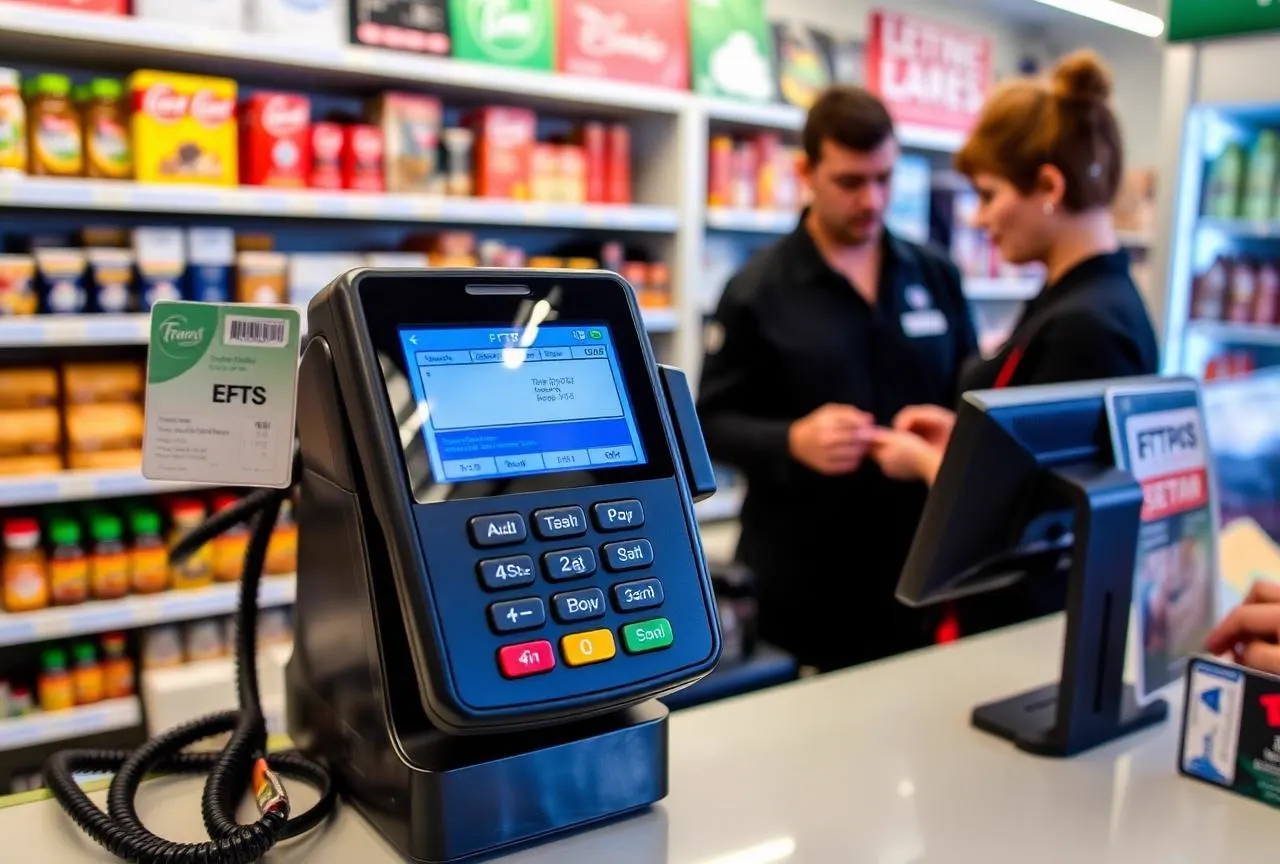
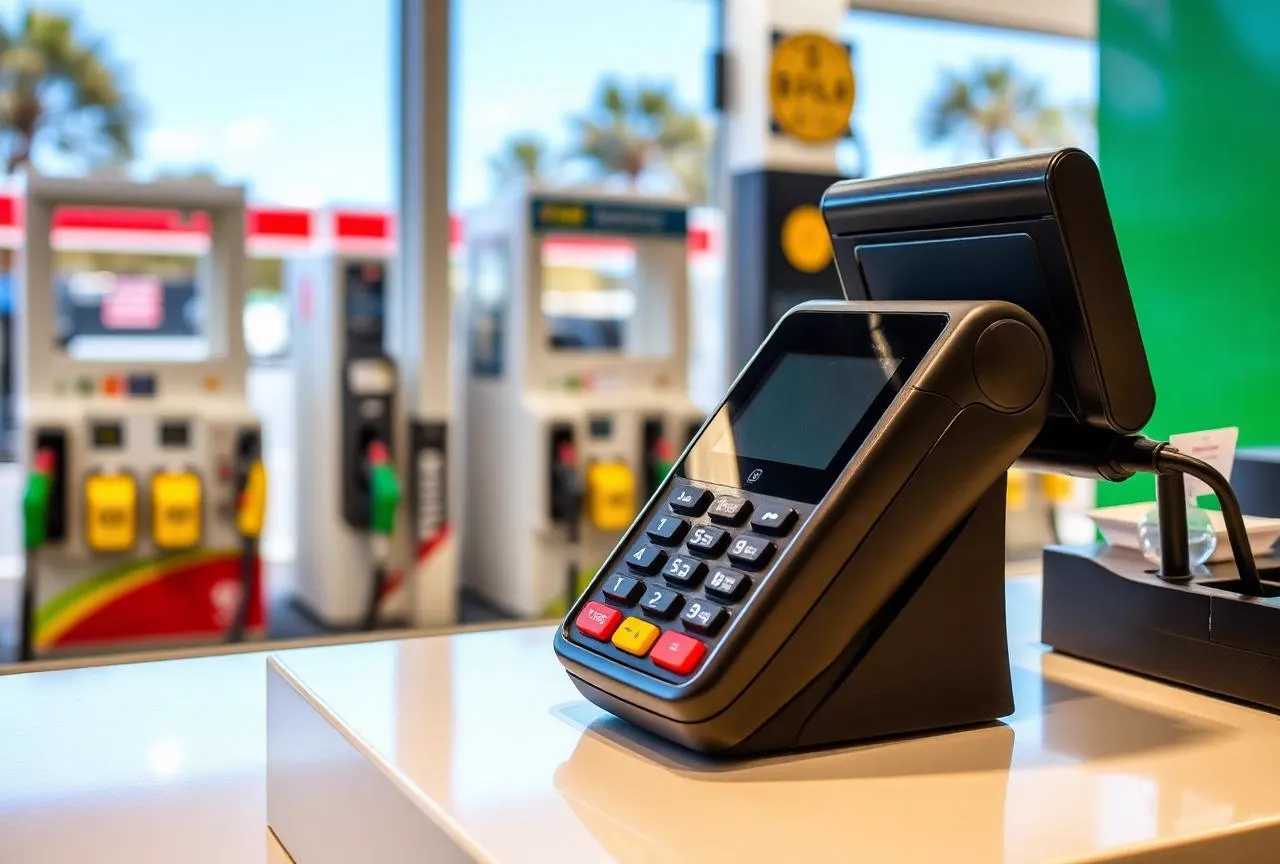
Fee breakdown
The six charges that make up your EFTPOS cost
Most confusion comes from comparing one line on a statement instead of the total.
Merchant service fee
A percentage of every card sale, often blended across card types. This is usually the largest line on a statement and the one worth comparing first.
Terminal rental or hire
A fixed monthly cost for the EFTPOS machine itself. Some providers bundle it into the transaction rate, others bill it separately.
Interchange and scheme fees
Costs set by the card schemes and passed through to you. Interchange-plus pricing shows them separately; blended pricing hides them inside one rate.
Fixed per-transaction fee
A cents-per-tap charge. On low-value convenience-store baskets this can matter more than the percentage rate.
Minimum monthly fee
A floor charged when your card volume is low. Seasonal and regional sites should check this carefully.
Surcharging (zero-cost EFTPOS)
Passing the cost of card acceptance to the customer within the RBA surcharging rules, so the fee sits with the transaction rather than your margin.
Comparison checklist
What to compare before you switch EFTPOS provider
| What to compare | Why it matters | Ask the provider |
|---|---|---|
| Pricing model | Blended rates are simple but can hide expensive card mixes. | Is this blended or interchange-plus, and what does each card type cost? |
| Total monthly cost | A low rate with high rental can cost more than the reverse. | What is my all-in monthly cost at my current card volume? |
| Contract term | Long lock-ins remove your ability to re-compare later. | What is the term, and what does early exit cost? |
| Settlement time | Same-day settlement changes your working capital. | When do funds land, and does that change on weekends? |
| Surcharge support | Zero-cost setups must stay inside RBA surcharging rules. | Can the terminal surcharge compliantly, and who configures it? |
| Support and replacement | A dead terminal in a convenience store stops trade immediately. | What are support hours and the replacement turnaround? |
Who it suits
Businesses that usually find savings
- Convenience stores and mini-marts with high transaction counts and small baskets
- Petrol and service stations comparing forecourt and shop card costs
- Cafes, takeaway and quick-service venues paying per-transaction fees on low sales
- Pubs, clubs and bottle shops reviewing older bundled bank plans
- Salons, barbers and trades on legacy terminal rental agreements
- Multi-site operators wanting one consistent pricing model across locations
How it works
A fee review in four steps
- 1
Send a recent statement
One recent merchant statement is enough. It shows your real card volume, average sale value and every fee you are currently charged.
- 2
We work out your true cost
We convert your fees into a single all-in cost per transaction and per month, so comparisons are like-for-like instead of headline rates.
- 3
Compare the options
You get the pricing models available for a business like yours — blended, interchange-plus, bundled terminal, or compliant surcharging.
- 4
Decide, or do nothing
If your current deal is already competitive we will tell you. There is no obligation and no cost for the review.
Cash and card together
An ATM removes merchant fees on the cash side
Every card sale carries a merchant cost. A cash sale does not. Venues that add an ATM give customers a fee-free-to-you payment option on site, and eligible venues also earn a share of the surcharge on each withdrawal — so the cash side can become income rather than expense.
That is why many convenience stores, mini-marts and service stations run both: an EFTPOS terminal for cards and a free-placement ATM for cash.
Enquire
Ask about cheaper EFTPOS fees for your business
Tell us your business type, state and rough monthly card turnover and we will come back with the options.
Questions
EFTPOS fees FAQ
Cost is made up of a merchant service fee on each card sale, an optional terminal rental or hire fee, and sometimes a fixed per-transaction or minimum monthly fee. Because pricing depends on your card volume, average sale value and card mix, the only reliable figure is a written quote based on a recent merchant statement.
Compare the all-in monthly cost at your real volume, not the headline percentage. Add the merchant service fee, terminal rental, per-transaction fees and any minimum monthly charge together, then check the contract term, settlement time and support arrangements.
Zero-cost EFTPOS refers to setups where the card acceptance cost is surcharged to the customer instead of absorbed by the business. Surcharging in Australia must not exceed your actual cost of acceptance under the RBA rules, so it needs to be configured correctly and reviewed when your rates change.
Often yes, particularly where a store is on an older blended plan with a separate terminal rental. Low average basket values make fixed per-transaction fees significant, so the right pricing model matters as much as the percentage rate.
No. Merchant acquiring and your business bank account are separate. Most providers settle into whichever Australian business account you nominate.
Yes, and they work together. An ATM gives customers a cash option that carries no merchant fee for you, while EFTPOS handles card sales. Many convenience stores and petrol sites run both.
By state
Compare EFTPOS fees in your state
- EFTPOS fees NSWCompare merchant rates for New South Wales businesses.
- EFTPOS fees VICCompare merchant rates for Victoria businesses.
- EFTPOS fees QLDCompare merchant rates for Queensland businesses.
- EFTPOS fees WACompare merchant rates for Western Australia businesses.
- EFTPOS fees SACompare merchant rates for South Australia businesses.
- EFTPOS fees TASCompare merchant rates for Tasmania businesses.
- EFTPOS fees ACTCompare merchant rates for Australian Capital Territory businesses.
- EFTPOS fees NTCompare merchant rates for Northern Territory businesses.
Explore next
ATM options and services
- ATM for petrol & service stationsFuel sites, roadhouses and truck stops across Australia.
- ATM for pubs, clubs & RSLsLicensed venues, gaming-area rules and cash-out alternatives.
- Free ATM placementZero cost, fully managed, with a share of every withdrawal.
- ATM lease & rentalFixed monthly cost and a larger surcharge share.
- Buy an ATM machineNew or refurbished units — keep 100% of the surcharge.
- ATM revenue & profit shareHow surcharge income and revenue share work.
- Compare EFTPOS machine feesReview merchant rates, terminal rental and surcharging options.
- Convenience store & mini-mart ATMsFree placement for stores, mini-marts and petrol shops.
- ATM providers AustraliaWhat to compare before choosing an ATM deployer.
Want to know what you are really paying?
Send us a recent merchant statement or call 0412 025 552 — Mon–Fri 8:30am – 7:30pm AEST · Online enquiries 24/7.