Hospitality · Australia
Compare EFTPOS Fees for Cafes, Restaurants & Takeaway
Coffee and counter sales are small and constant, so a cents-per-tap fee can cost more than the merchant percentage. We review your statement and show which pricing model is actually cheaper at your average sale value.
Most enquiries receive a response within 3 hours during business hours.
Straight answer
What cafes and restaurants really pay
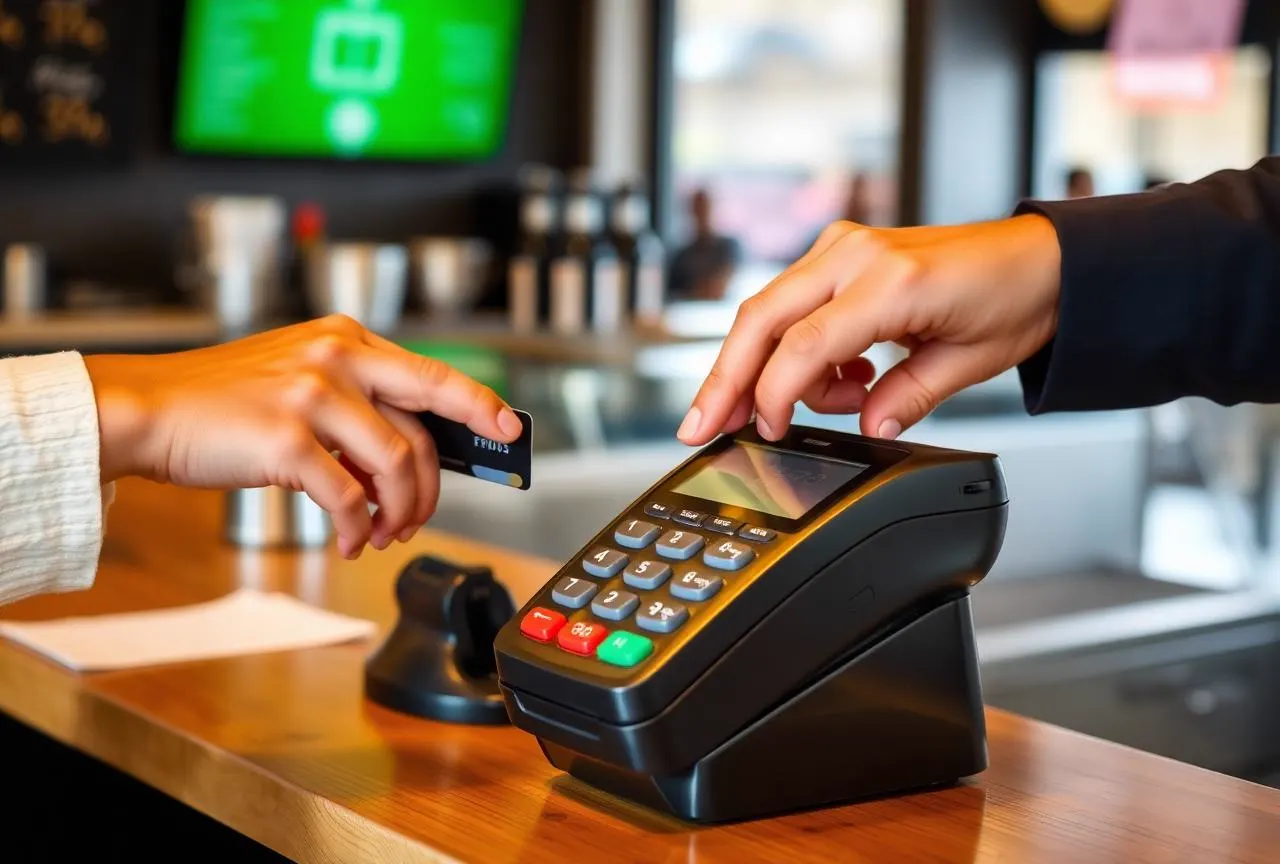
Hospitality venues take small, frequent card payments, so a fixed cents-per-transaction fee is often a larger cost than the merchant service percentage. Below roughly $15 average sale, percentage-only pricing usually produces a lower all-in cost — but the break-even depends on your actual average ticket, which we calculate from your statement.
- A fixed fee on a $5 coffee is a bigger cost than the merchant service percentage.
- Split bills and multiple small taps per table multiply per-transaction charges.
- Terminal rental on several devices adds up across a busy floor.
- Peak-hour outages stop service immediately, so support terms matter as much as rate.
Why it matters
What a better EFTPOS setup changes
- Below roughly $15 average sale, percentage-only pricing usually beats a lower rate with fixed fees.
- Same-day settlement helps cover daily produce and supplier payments.
- Compliant surcharging can remove card acceptance cost without raising menu prices.
- Integrated terminals reduce keying errors and speed up table turns at peak.
Fee breakdown
The six charges that make up your EFTPOS cost
Merchant service fee
A percentage of every card sale, often blended across card types. This is usually the largest line on a statement and the one worth comparing first.
Terminal rental or hire
A fixed monthly cost for the EFTPOS machine itself. Some providers bundle it into the transaction rate, others bill it separately.
Interchange and scheme fees
Costs set by the card schemes and passed through to you. Interchange-plus pricing shows them separately; blended pricing hides them inside one rate.
Fixed per-transaction fee
A cents-per-tap charge. On low-value convenience-store baskets this can matter more than the percentage rate.
Minimum monthly fee
A floor charged when your card volume is low. Seasonal and regional sites should check this carefully.
Surcharging (zero-cost EFTPOS)
Passing the cost of card acceptance to the customer within the RBA surcharging rules, so the fee sits with the transaction rather than your margin.
Comparison checklist
What to compare before you switch EFTPOS provider
| What to compare | Why it matters | Ask the provider |
|---|---|---|
| Pricing model | Blended rates are simple but can hide expensive card mixes. | Is this blended or interchange-plus, and what does each card type cost? |
| Total monthly cost | A low rate with high rental can cost more than the reverse. | What is my all-in monthly cost at my current card volume? |
| Contract term | Long lock-ins remove your ability to re-compare later. | What is the term, and what does early exit cost? |
| Settlement time | Same-day settlement changes your working capital. | When do funds land, and does that change on weekends? |
| Surcharge support | Zero-cost setups must stay inside RBA surcharging rules. | Can the terminal surcharge compliantly, and who configures it? |
| Support and replacement | A dead terminal in a convenience store stops trade immediately. | What are support hours and the replacement turnaround? |
How it works
A fee review in four steps
- 1
Send one recent statement
We need your card turnover, transaction count and average sale value — all on a single month's statement.
- 2
Model your average sale
We calculate the break-even point between fixed-fee and percentage-only pricing at your real average ticket.
- 3
Compare hospitality-suited plans
You see the options built for high-count, low-value trade, including multi-terminal and surcharging setups.
- 4
Decide with no obligation
If your current plan already wins at your average sale, we tell you and you change nothing.
Enquire
Ask about cheaper EFTPOS fees
Tell us your average sale value, monthly card turnover and state and we will come back with options.
Questions
Cafe & Restaurant EFTPOS FAQ
For cafes with small average sales, a plan without a fixed cents-per-transaction fee is usually cheapest, even at a slightly higher percentage. The break-even depends on your average ticket, so it should be calculated from your own statement rather than assumed.
Yes, provided the surcharge does not exceed your actual cost of acceptance and is disclosed before the customer pays. Many venues display it on the menu and on the terminal screen.
They can. Each tap is a separate transaction, so any fixed per-transaction fee is charged again on every split. Venues that split bills often should weigh that heavily in the comparison.
Enough to avoid queues at peak without paying rental on idle devices. We compare per-terminal costs so you can see what an extra device actually costs per month.
By city
Compare EFTPOS fees in your city
- EFTPOS fees SydneyMerchant fee comparison for Sydney businesses.
- EFTPOS fees MelbourneMerchant fee comparison for Melbourne businesses.
- EFTPOS fees BrisbaneMerchant fee comparison for Brisbane businesses.
- EFTPOS fees PerthMerchant fee comparison for Perth businesses.
- EFTPOS fees AdelaideMerchant fee comparison for Adelaide businesses.
- EFTPOS fees CanberraMerchant fee comparison for Canberra businesses.
By state
Compare EFTPOS fees in your state
- EFTPOS fees NSWCompare merchant rates for New South Wales businesses.
- EFTPOS fees VICCompare merchant rates for Victoria businesses.
- EFTPOS fees QLDCompare merchant rates for Queensland businesses.
- EFTPOS fees WACompare merchant rates for Western Australia businesses.
- EFTPOS fees SACompare merchant rates for South Australia businesses.
- EFTPOS fees TASCompare merchant rates for Tasmania businesses.
- EFTPOS fees ACTCompare merchant rates for Australian Capital Territory businesses.
- EFTPOS fees NTCompare merchant rates for Northern Territory businesses.
EFTPOS topics
More EFTPOS fee comparisons
- EFTPOS Fees for Convenience Stores & Mini-MartsCompare EFTPOS machine fees for Australian convenience stores and mini-marts. Low-basket, high-volume sites often pay more in fixed per-tap fees than percentage rates.
- EFTPOS Fees for Petrol & Service StationsCompare EFTPOS machine fees for Australian petrol stations, roadhouses and service stations. High card volumes and mixed forecourt/shop sales need the right pricing model.
- EFTPOS Machine Fees for Small BusinessCompare EFTPOS fees and terminal rental for Australian small businesses. See whether your current merchant rate is competitive against your real card volume.
- Zero Cost EFTPOS & Compliant SurchargingLearn how zero-cost EFTPOS works in Australia. Pass card acceptance costs to customers within RBA surcharging rules and compare terminal options.
- EFTPOS Fees for Retail Stores & ShopsCompare EFTPOS machine fees for Australian retail stores and shops. Review merchant rates, terminal rental and surcharging against your real card mix.
- EFTPOS Machine Hire & Terminal RentalCompare EFTPOS machine hire and terminal rental for Australian businesses. See what hire actually costs once transaction fees, contract term and support are counted.
- EFTPOS Merchant ServicesCompare EFTPOS merchant services in Australia — merchant service fees, pricing models, settlement times and terminal support — reviewed against your own statement.
- EFTPOS Surcharge RulesHow EFTPOS card surcharging works in Australia: the RBA cost-of-acceptance limit, disclosure requirements, what counts as a permitted cost and how to set a compliant surcharge.
Find out what your business is really paying
Send a recent merchant statement or call 0412 025 552 — Mon–Fri 8:30am – 7:30pm AEST · Online enquiries 24/7.