Canberra · EFTPOS & merchant fees
Compare EFTPOS Machine Fees in Canberra
Canberra card use is high and cash use low, so merchant fees hit almost every sale. A statement review shows whether your current plan still matches the card mix you actually process.
Most enquiries receive a response within 3 hours during business hours.
Straight answer
Can a Canberra business get cheaper EFTPOS fees?
Often yes. What you pay in Canberra depends on your card volume, average sale value and card mix rather than your postcode — so a business on an older blended plan with separate terminal rental is frequently paying more than it needs to. Send one recent merchant statement and we will show your real all-in cost per transaction before recommending anything.
Canberra businesses process a very high proportion of card payments, including a large share of premium and corporate cards. Those cards carry higher interchange, which a blended rate hides completely.
We review statements for ACT retail, hospitality, convenience stores and service stations, then set out whether interchange-plus, a bundled plan or compliant surcharging produces the lowest all-in cost for your card mix.
The review is free and there is no obligation to switch.
Service area
Where we review fees around Canberra
- Canberra city and Civic
- Belconnen and Gungahlin
- Woden Valley and Weston Creek
- Tuggeranong
- Queanbeyan and surrounding NSW border towns
- Airport, university and government precinct retail
Canberra enquiries are handled as part of our Australian Capital Territory coverage. You can also compare EFTPOS fees across ACT on the Australian Capital Territory EFTPOS fees page.
Who asks
Canberra business types we review most
- Cafes and lunch trade in government and office precincts
- Convenience stores and mini-marts in town centres
- Service stations on major approaches and the Federal Highway
- Specialty retail in shopping centres
- Clubs, bars and function venues
Canberra detail
How we handle Canberra enquiries
- Premium and corporate card share is checked directly — it is unusually high in the ACT.
- Blended plans often mask that mix, so interchange-plus is compared line by line.
- Weekday-peak trade patterns are modelled rather than smoothed into a monthly average.
- Eligible Canberra venues can also add a free-placement ATM for the cash side of takings.
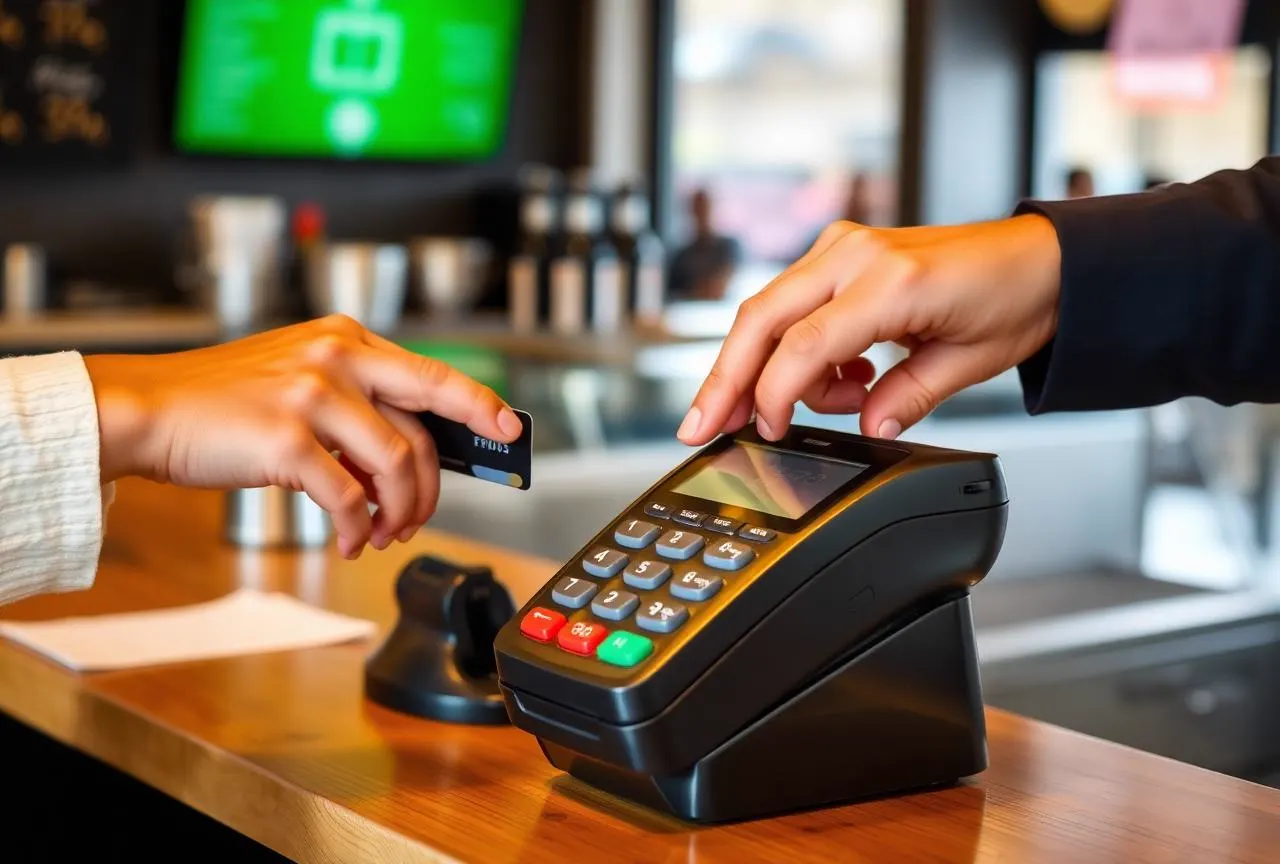
Fee breakdown
What makes up your EFTPOS cost
Merchant service fee
A percentage of every card sale, often blended across card types. This is usually the largest line on a statement and the one worth comparing first.
Terminal rental or hire
A fixed monthly cost for the EFTPOS machine itself. Some providers bundle it into the transaction rate, others bill it separately.
Interchange and scheme fees
Costs set by the card schemes and passed through to you. Interchange-plus pricing shows them separately; blended pricing hides them inside one rate.
Fixed per-transaction fee
A cents-per-tap charge. On low-value convenience-store baskets this can matter more than the percentage rate.
Minimum monthly fee
A floor charged when your card volume is low. Seasonal and regional sites should check this carefully.
Surcharging (zero-cost EFTPOS)
Passing the cost of card acceptance to the customer within the RBA surcharging rules, so the fee sits with the transaction rather than your margin.
Fees by card type
How card type changes what a Canberra business pays
Two sales of the same value can cost very different amounts depending on the card tapped. This is where most of the difference between plans actually sits.
| Card type | How it is usually priced | What it means for your fees |
|---|---|---|
| eftpos debit (savings/cheque) | Often a low fixed amount in cents per transaction rather than a percentage. | Usually the cheapest way to be paid by card. On larger sales it is far cheaper than a percentage rate — least-cost routing sends eligible taps here. |
| Visa / Mastercard debit | A percentage of the sale, sometimes with a small fixed component. | Mid-range cost. On low-value baskets the fixed component can outweigh the percentage, which is why convenience stores feel it most. |
| Visa / Mastercard credit | A higher percentage of the sale than debit. | More expensive than debit on the same sale value. A blended plan hides this behind one averaged rate. |
| Premium, rewards and business cards | The highest scheme interchange in the Visa/Mastercard range. | A single rewards card on a large sale can cost several times what the same sale on eftpos debit would. |
| International and card-not-present | Higher interchange plus cross-border and scheme fees. | Tourist-heavy and online sales lift your effective rate even when your plan has not changed. |
| American Express / Diners | Priced separately by the scheme, not by your acquirer. | Sits outside your main merchant agreement, so it must be compared as its own line, not assumed to be covered. |
A blended plan averages all of the above into one rate, so a Canberra business with a heavy debit mix can end up subsidising credit and premium-card sales. Send a recent statement and we will show your effective cost per card type, then compare it against interchange-plus and compliant surcharging options.
Comparison checklist
What to compare before switching provider in Canberra
| What to compare | Why it matters | Ask the provider |
|---|---|---|
| Pricing model | Blended rates are simple but can hide expensive card mixes. | Is this blended or interchange-plus, and what does each card type cost? |
| Total monthly cost | A low rate with high rental can cost more than the reverse. | What is my all-in monthly cost at my current card volume? |
| Contract term | Long lock-ins remove your ability to re-compare later. | What is the term, and what does early exit cost? |
| Settlement time | Same-day settlement changes your working capital. | When do funds land, and does that change on weekends? |
| Surcharge support | Zero-cost setups must stay inside RBA surcharging rules. | Can the terminal surcharge compliantly, and who configures it? |
| Support and replacement | A dead terminal in a convenience store stops trade immediately. | What are support hours and the replacement turnaround? |
Cash side
Add a free ATM at your Canberra venue
Card sales always carry a merchant cost; cash sales do not. Eligible Canberra venues can have an ATM supplied, installed, cash-loaded and maintained at no cost and earn a share of the surcharge on every withdrawal — so the cash side of your takings becomes income rather than expense.
Enquire
Ask about EFTPOS fees in Canberra
Tell us your business type, suburb and rough monthly card turnover.
Questions
Canberra EFTPOS fees FAQ
The ACT processes an above-average share of premium and corporate cards, which carry higher interchange. A blended rate averages that in without showing it, so interchange-plus pricing frequently reveals savings once the card mix is visible.
Yes. Surcharging is permitted nationally provided it does not exceed your actual cost of acceptance for that card type and is disclosed clearly before the transaction is completed.
Weekday lunch peaks mean transaction speed and terminal reliability matter as much as rate. We compare support terms and settlement timing alongside the pricing model.
One recent merchant statement. It shows your card volume, average sale value, card mix and every fee currently charged, which is everything needed for a like-for-like comparison.
Other cities
Compare EFTPOS fees in other capital cities
By business type
EFTPOS fees for your industry
- EFTPOS Fees for Convenience Stores & Mini-MartsCompare EFTPOS machine fees for Australian convenience stores and mini-marts. Low-basket, high-volume sites often pay more in fixed per-tap fees than percentage rates.
- EFTPOS Fees for Petrol & Service StationsCompare EFTPOS machine fees for Australian petrol stations, roadhouses and service stations. High card volumes and mixed forecourt/shop sales need the right pricing model.
- EFTPOS Machine Fees for Small BusinessCompare EFTPOS fees and terminal rental for Australian small businesses. See whether your current merchant rate is competitive against your real card volume.
- Zero Cost EFTPOS & Compliant SurchargingLearn how zero-cost EFTPOS works in Australia. Pass card acceptance costs to customers within RBA surcharging rules and compare terminal options.
- EFTPOS Fees for Cafes, Restaurants & TakeawayCompare EFTPOS machine fees for Australian cafes, restaurants and takeaway venues. Small average sales make per-transaction fees the cost that matters most.
- EFTPOS Fees for Retail Stores & ShopsCompare EFTPOS machine fees for Australian retail stores and shops. Review merchant rates, terminal rental and surcharging against your real card mix.
- EFTPOS Machine Hire & Terminal RentalCompare EFTPOS machine hire and terminal rental for Australian businesses. See what hire actually costs once transaction fees, contract term and support are counted.
- EFTPOS Merchant ServicesCompare EFTPOS merchant services in Australia — merchant service fees, pricing models, settlement times and terminal support — reviewed against your own statement.
- EFTPOS Surcharge RulesHow EFTPOS card surcharging works in Australia: the RBA cost-of-acceptance limit, disclosure requirements, what counts as a permitted cost and how to set a compliant surcharge.
Free ATM placement
Free ATM placement in Australian Capital Territory
- Free ATM placement — Canberra & ACTCivic, Braddon, Kingston
- Request a free ATM machineSend your venue details — we confirm eligibility, timing and profit share.
- Ask a question firstTalk to an Australian-based team member about your site.
- How ATM placement worksSurvey, install, cash loading and reporting explained step by step.
Find out what your Canberra business is really paying
Send a recent merchant statement or call 0412 025 552 — Mon–Fri 8:30am – 7:30pm AEST · Online enquiries 24/7.